
We write about everything related to logistics.
Engineering deep-dives, ops field notes, and product debriefs from the Sirdab team. Written for people who build real systems that move real things.
 (1).webp)
Sirdab Raises $10M Series A Co-led by Elm and BECO Capital to Scale the Logistics Infrastructure Layer for Saudi Arabia and the GCC

Sirdab Raises $10M Series A Co-led by Elm and BECO Capital to Scale the Logistics Infrastructure Layer for Saudi Arabia and the GCC
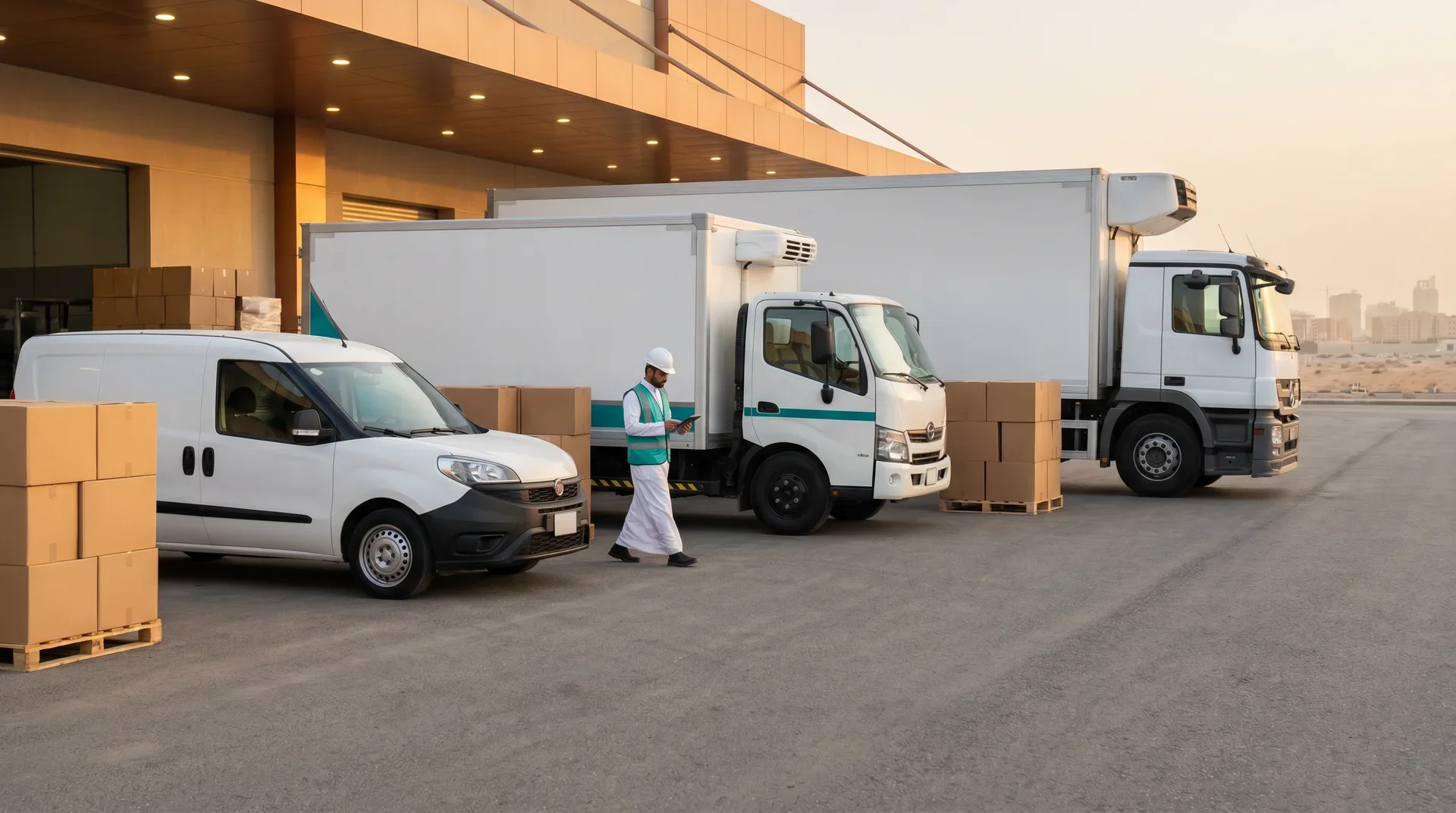
2PL vs 3PL in Saudi Arabia

What It Takes to Clear a Stadium in Two Weeks
Two weeks. Three warehouses. Thousands of assets with zero margin for error. On paper, that's a logistics brief. In practice, it's a test of whether an operation can hold its shape when the shape itself keeps changing. That's the real takeaway from King Fahd International Stadium not the size of the job, but the posture it demanded. Sirdab didn't win this project by having the biggest footprint or the fanciest tech stack. It won by being able to say yes to an undefined scope, a fixed deadline, and a client who needed total visibility from day one, and then actually deliver on all three at once.

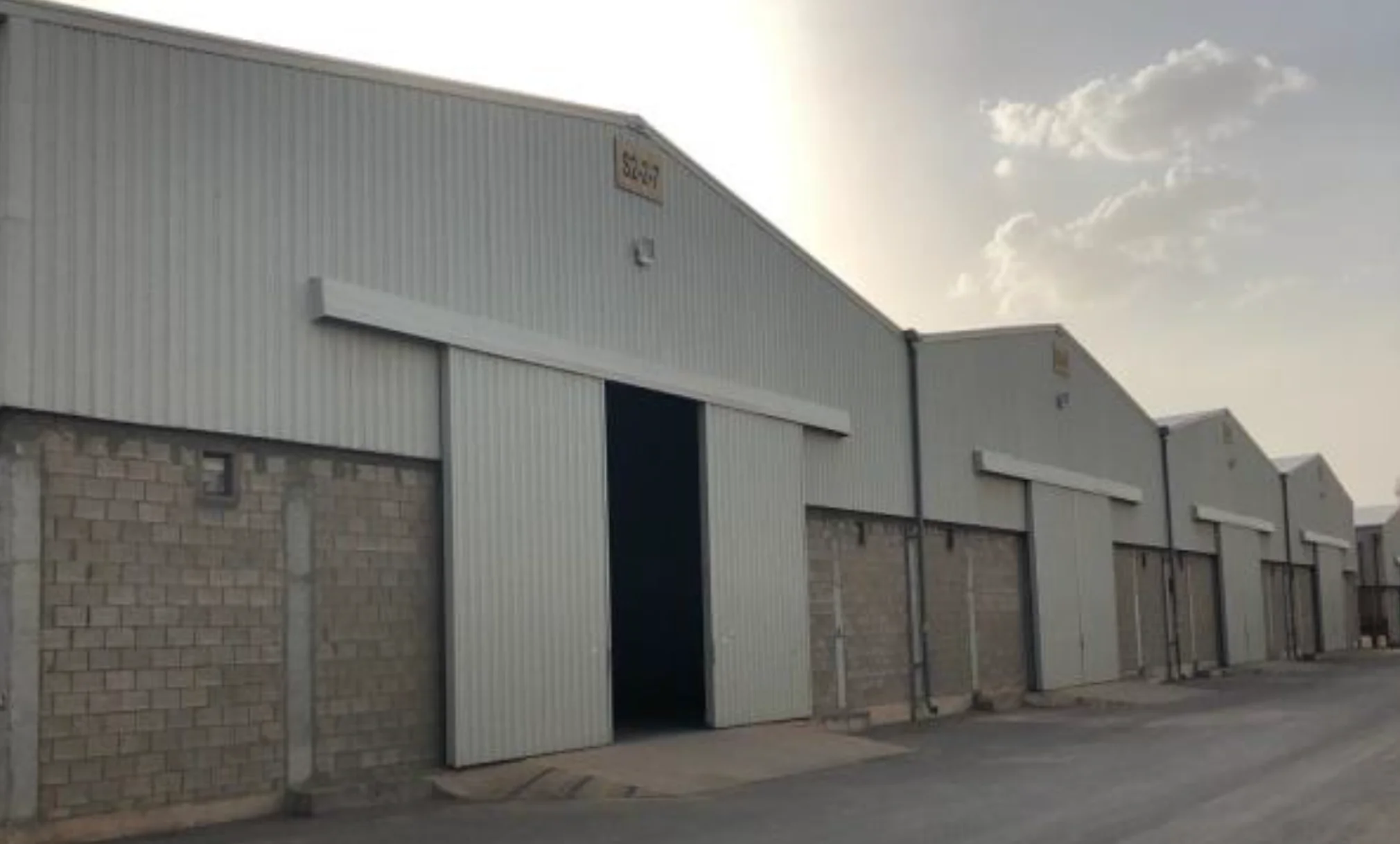
Saudi Warehousing: Will the Whole Sector Shift to Class A Warehouses?
Less than 10% of Saudi warehouses meet Class A standards, but demand is surging. E-commerce growth and Vision 2030 are pushing the sector towards modern, tech-enabled infrastructure. While challenges remain, a major upgrade is underground. For investors and operators, it's a rare chance to shape the future of Saudi logistics.

What Logistics Taught Us About SLAs (And Why We Built Our Own Way to Track Them)
Most logistics companies promise service levels, but very few actually measure them. At Sirdab, we built a system that tracks SLAs across inbound, outbound, last mile, and support turning operations into something measurable, transparent, and continuously improving.

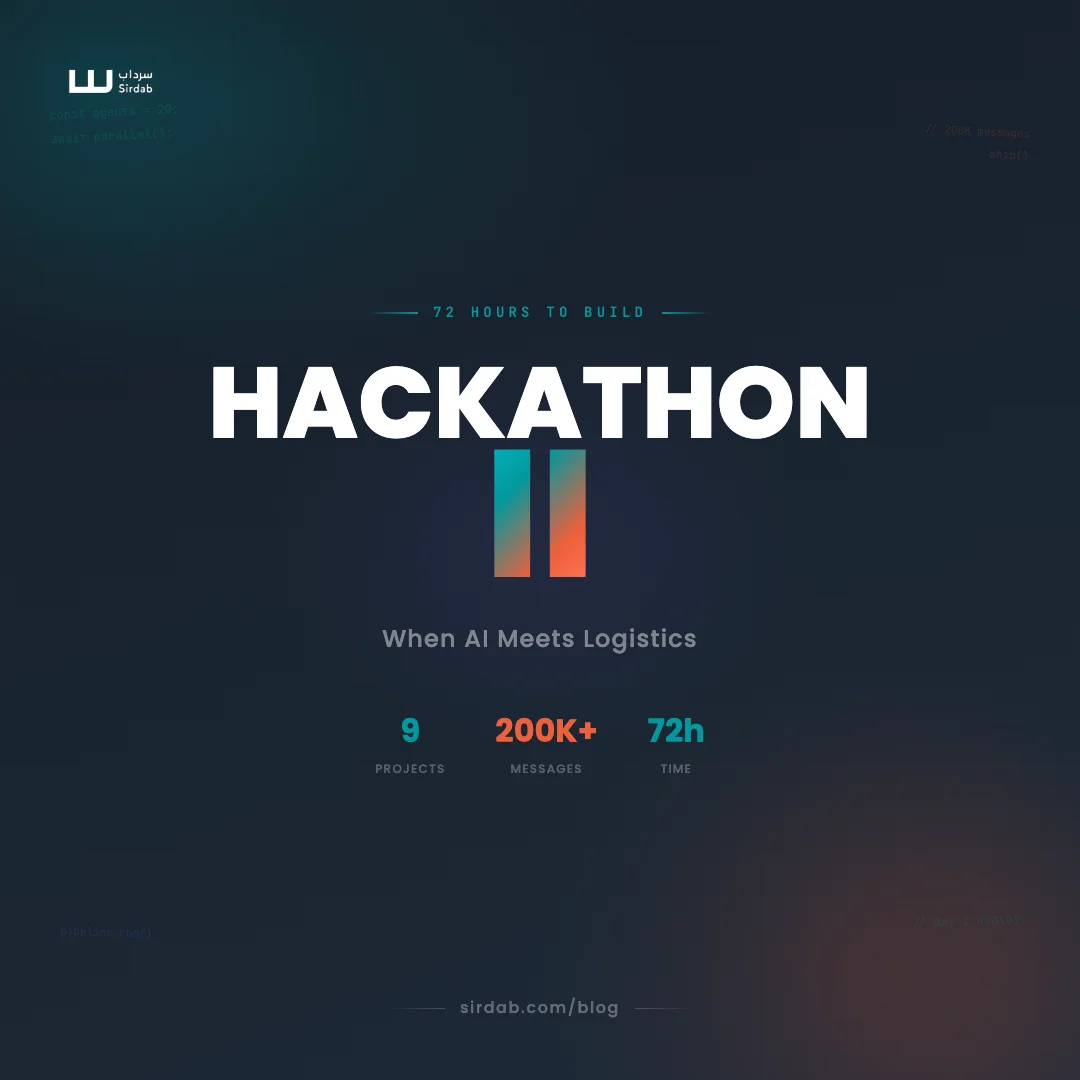
We Gave Our Team 20 AI Agents and 72 Hours. Here's What We Built
Sirdab’s second AI Hackathon brought together teams across the company to quild real systems in just 72 hours. From AI agents processing partner orders to a license intelligence engine built from public data, the projects showed how fast experimentation has become possible. What once took weeks can now be prototyped in days.
Sirdab AI Hackathon Recap
Sirdab hosted its first Hackathon to spark creativity and explore AI’s potential in logistics. Over a day and a half, teams built impactful projects such as Rahaf (AI spot rate assistant), Simba (merchant analytics AI), AI-powered order processing, an SDR voice agent, demand prediction tools, and smart scheduling solutions. The event highlighted how AI can streamline operations, boost customer experience, and open new opportunities. Several projects will be moved to production, and the Hackathon was deemed a major success.

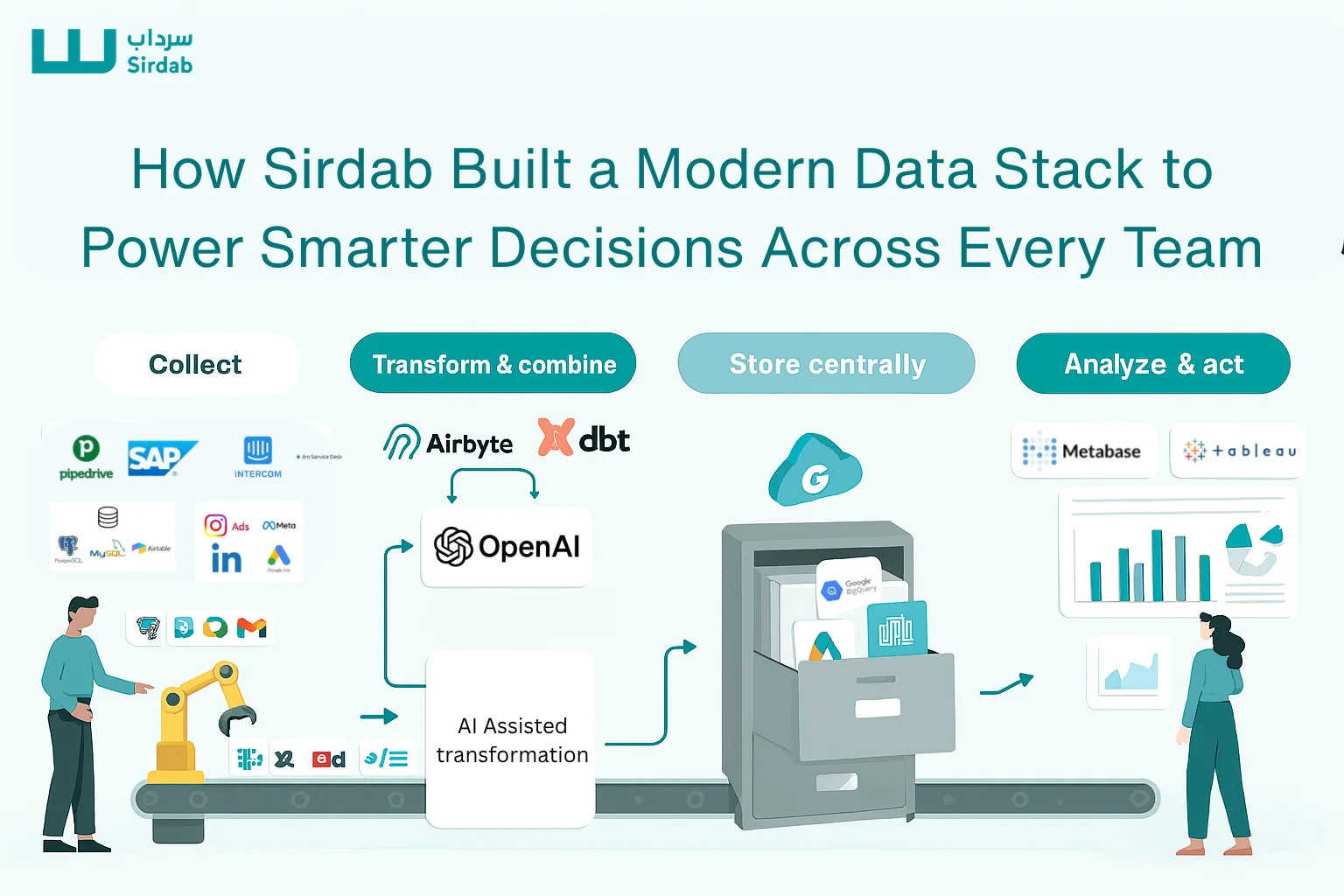
How We Built a Modern Data Stack to Power Smarter Decisions Across Every Team
This article explains how Sirdab built a scalable, AI-powered modern data stack that unifies data across all teams to drive faster, smarter decisions.