![[draft] Saudi Warehousing: Will the Whole Sector Shift to Class A Warehouses?](https://pub-c3cfc2deb4374130bc518920d2038683.r2.dev/payload-media/saudi-warehousing-will-the-whole-sector-shift-to-class-a-war-cover-1.webp)
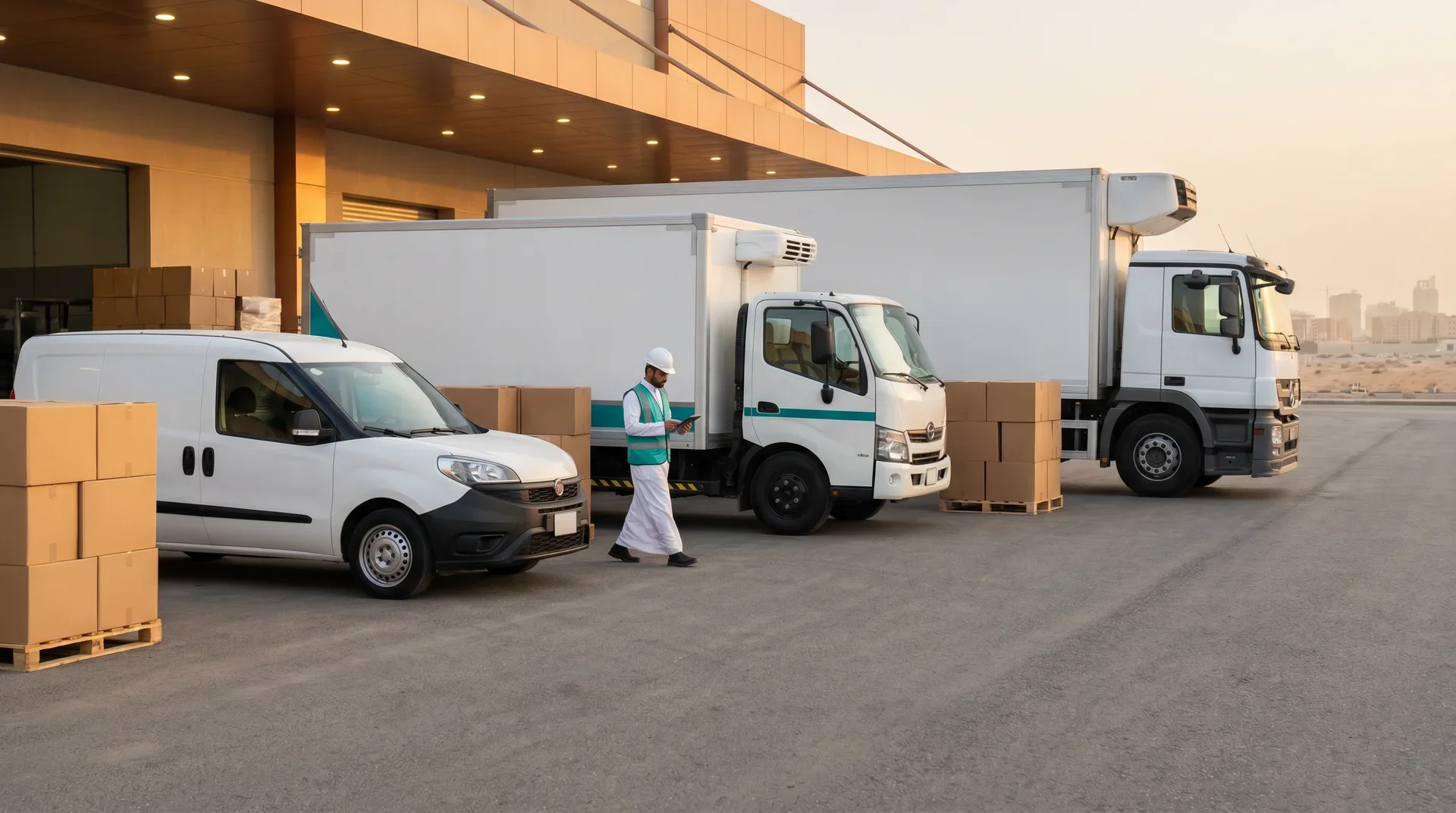
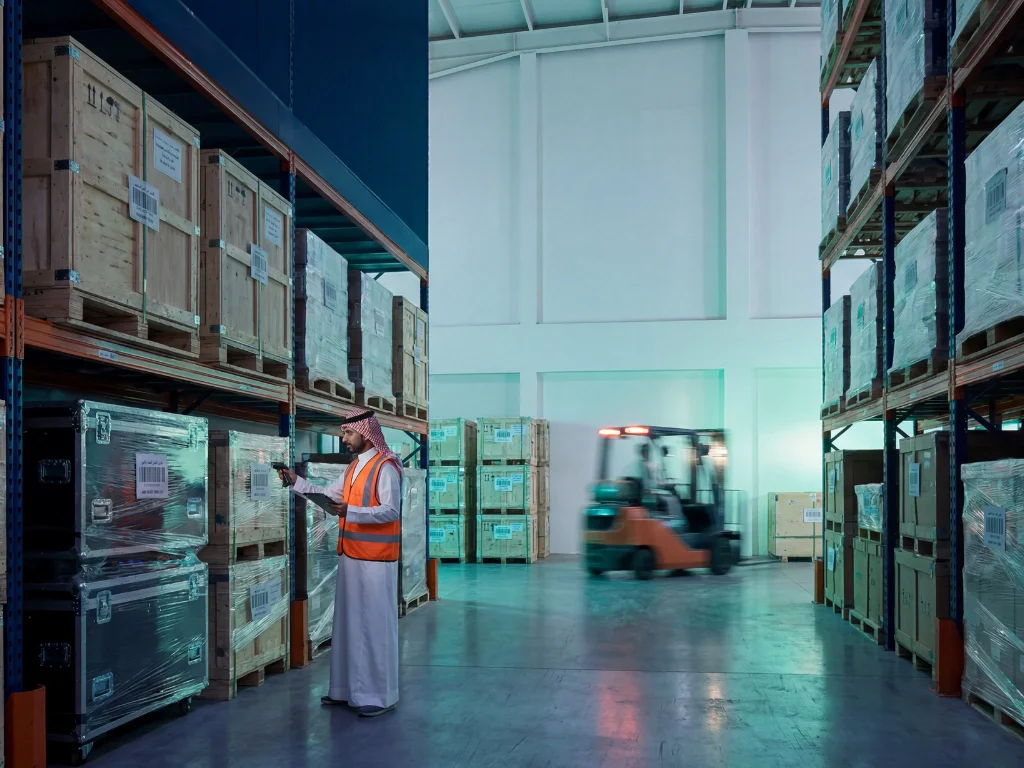
Less than 10% of Saudi Arabia's Warehousing Infrastructure currently meets international “Class A” standards. A stark gap that raises a billion-dollar question: will the Kingdom's entire logistics space upgrade to top-tier warehouses? Real estate investors and logistics operators are eyeing this as a transformative opportunity.
Relentless demand for modern warehouses: Saudi Arabia's logistics hubs are straining at near-full capacity amid an e-commerce boom and Vision 2030 reforms. Warehouse occupation hovers around 97, 98%, and prime rents have surged double digits year on year. Online retail is a major driver, e-commerce penetration (just 8% in 2022) is forecast to triple to ~ 23% by 2030, fueling unprecedented need for large, tech-enabled fulfillment centers. At the same time, government initiatives like the National Industrial Development and Logistics Program aim to double the logistics sector's GDP contribution by 2030, attracting massive investment in new ports, free zones, and transport links. All signals point to a sustainedDemand boom for high-quality, Class A warehouse space.
Barriers to an all Class A future: Converting an entire market to Class A is easier said than done. Much of Saudi's existing warehouse stock is aging and low grade, concentrated in older industrial districts and lacking modern specifications. This legacy shortage of quality facilities is already pushing rents upwards. However, upgrading wholesale means overcoming key constraints. Land in prime logistics nodes is limited and expensive, making it challenging to develop sprawling state-of-the-art centers near cities. Construction costs for high-spec warehouses (taller clear heights, advanced fire and IT systems, sustainability features) are significantly higher than for basic sheds. Regulatory standards are rising, the Saudi Building Code and MODON guidelines enforce strict safety and design rules, which, while improving quality, can then extend approval timelines. Furthermore, not all tenants need (or can afford) a Class A facility. Many local distributors and SMEs may continue to occupy simpler warehouses at lower rents. These factors suggest thatClass B and C warehouses will persist in the short term, even as new Class A projects come online.
Transformation scenarios and opportunities: Will the whole sector turn Class A? The most likely scenario is a Partial but profound upgrade. In an optimal case, public and private developers accelerate the construction of modern logistics parks, gradually replacing the absolute stock. Saudi Arabia is already witnessing this shift: new mega projects are delivering millions of square meters of “world-class” warehouse space, and global operators are entering the market. In this future, Class A could become the new norm for large-scale users (e-commerce, 3PLs, manufacturers), dramatically raising the current sub -10% share. Alternately, the market may divide,a two-tier landscape Where premium warehouses thrive alongside older facilities serving budget-conscious needs. Either way, the direction is clear. Knight Frank notes that rent pressures will persist until enough modern warehouses are built, indicating enormous upside for those who deliver them. For investors and logistics players, the Class A question is more opportunity than risk: with demand far outpacing supply, upgrading Saudi's warehousing stock offers a chance to capture outsized returns and reshape an entire industry. The Kingdom's 10% Class A Slice is spoken to expand, the only question is how fast, and who will lead the charge.
What we're seeing at Sirdab: At Sirdab, we're seeing this transformation unfolded in real time. As a logistics platform serving merchants, brands, and operators across the Kingdom, we help businesses access Class A warehousing space, along with all other logistics services, within 24 hours, from dry to cold storage. Every day, we work with operators who are not only upgrading their infrastructure but also enhancing their service through technology, so our clients can access premium logistics without waiting for the real estate cycle to catch up. The market won't flip overnight, but the shift is already underground. And with the right technology, data, and network access, businesses can ride this wave of change ahead of the curve.
Sources: Knight Frank, Arab News, Saudi Logistics Expo Report, AGBI Logistics Analysis, Vision 2030 NIDLP targets.
 (1).webp)