Back to blog
Operations1 min

Sirdab x SIRC: Powering Saudi Arabia’s circular economy through smart logistics

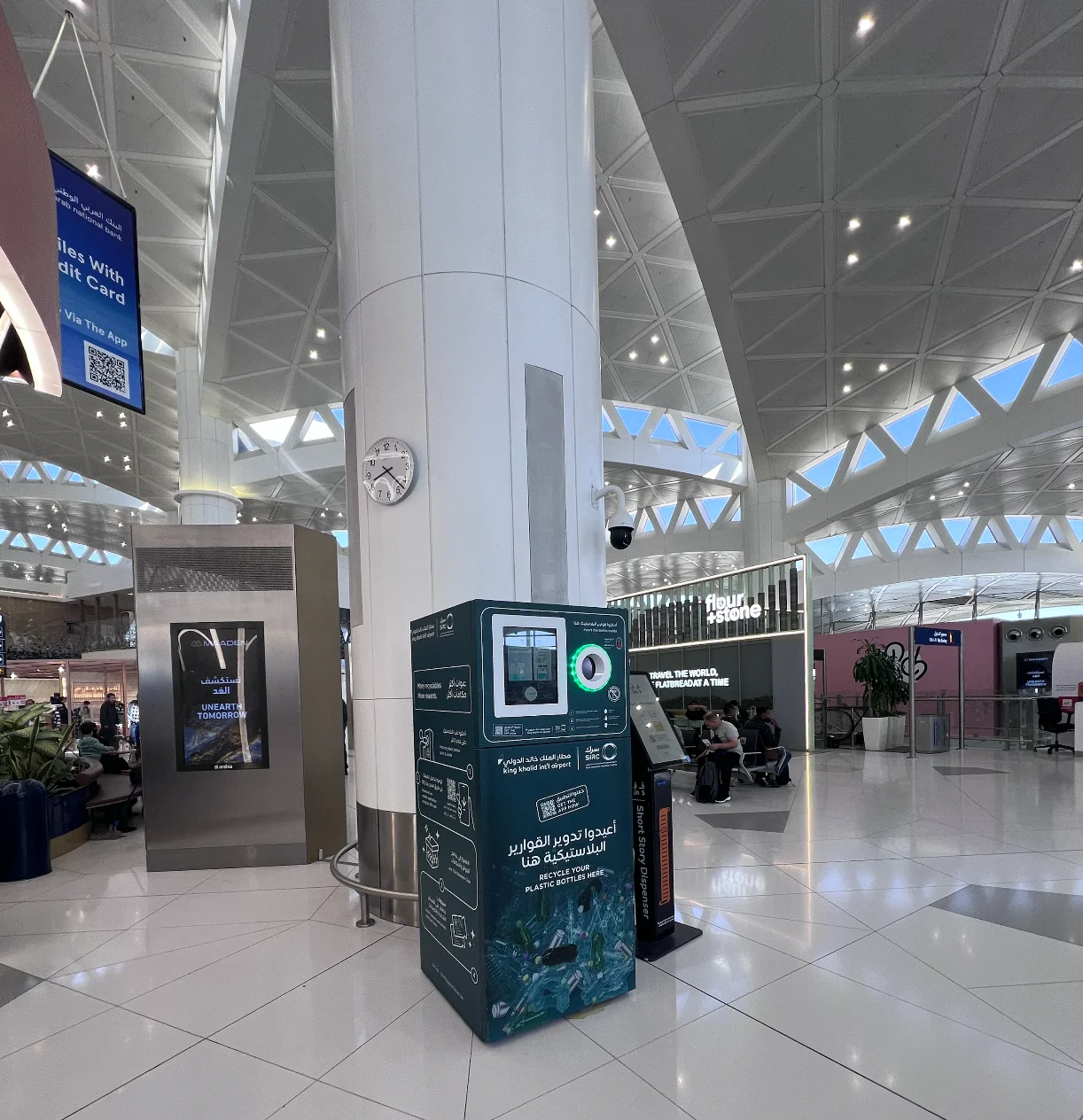
Sirdab partnered with the Saudi Investment Recycling Company (SIRC), a wholly owned subsidiary of the Public Investment Fund (PIF), to advance Saudi Arabia’s circular economy goals under Vision 2030. Through its tech-driven, end-to-end logistics platform, Sirdab enabled the nationwide deployment and management of over 500 smart plastic recycling machines across airports, malls, universities, and government facilities. By integrating real-time tracking, automated fulfillment, and nationwide storage and distribution, Sirdab provided SIRC with full operational visibility and scalability, helping build a sustainable recycling infrastructure that powers the Kingdom’s transition toward a circular future.

Sardar Qayyum
Updated
Sirdab x SIRC: Powering Saudi Arabia’s circular economy through smart logistics
Nov 18, 2025

The Saudi Investment Recycling Company (SIRC), a wholly owned subsidiary of the Public Investment Fund (PIF), is driving the transformation of the Kingdom’s waste management ecosystem. Founded in 2017, SIRC’s mission is to enable a circular economy by developing advanced recycling infrastructure and improving quality of life across Saudi Arabia.

The challenge: enabling scalable, sustainable infrastructure

To realize its vision, SIRC needed a logistics solution capable of nationwide deployment and management of smart plastic bottle recycling machines, across airports, malls, universities, and government facilities. This required more than just transportation. It demanded an agile, technology-driven logistics partner to provideend-to-end fulfillment, asset visibility, and operational control.

That’s where Sirdab comes in.

Our solution: end-to-end logistics with real-time control

Sirdab delivered an integrated logistics and technology stack purpose-built to meet SIRC’s scale and sustainability ambitions.

1. Smart distribution at scale

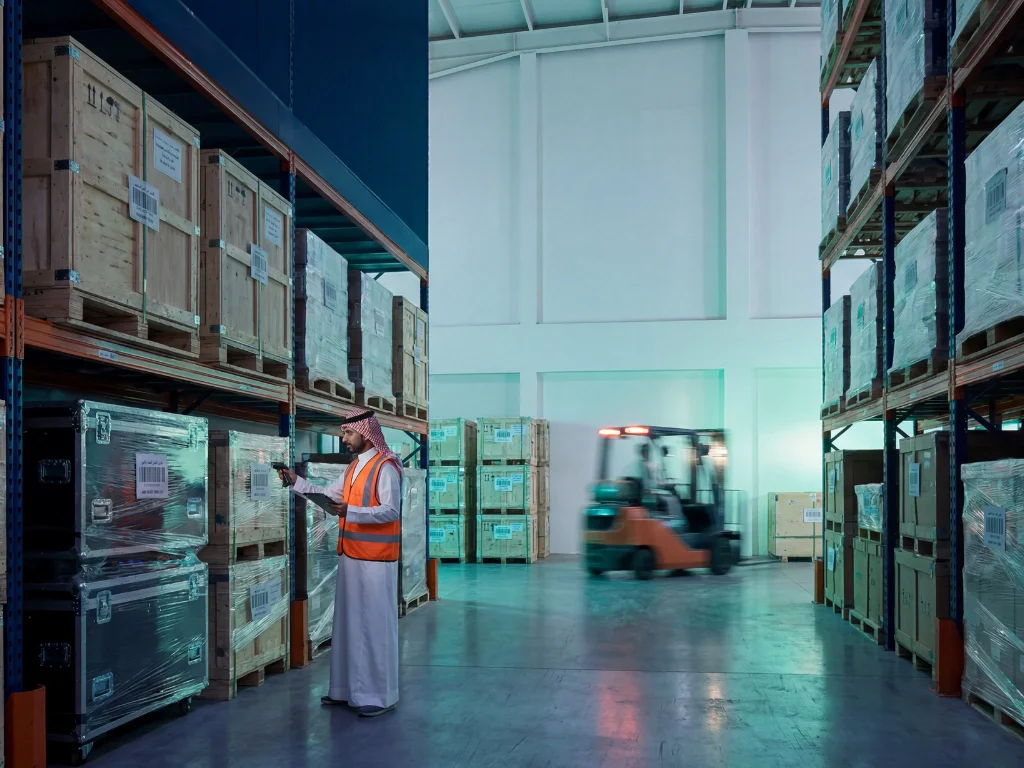
Via the Sirdab Portal, SIRC can assign machine deployments to any location across the Kingdom. Machines are then dispatched directly from our warehouses, ensuring fast, secure, and reliable delivery with minimal manual steps.

2. Real-time tracking and control

Each recycling unit is tagged with a unique serial ID and tracked within the Sirdab system. This allows SIRC to monitor location, movement, and deployment status in real time, enabling proactive management and full operational visibility.

3. Streamlined storage and fulfillment

Sirdab's warehouse network receives, stores, and dispatches machines on-demand. All fulfillment workflows are optimized through automation and platform-level coordination, ensuring speed and accuracy at every step.
Sirdab x SIRC: Powering Saudi Arabia’s circular economy through smart logistics

The Results: logistics that accelerate circular progress

500+ of machines deployed across Saudi Arabia, including at King Khalid International Airport in Riyadh

24/7 asset visibility and control via the Sirdab Portal, eliminating manual tracking

Nationwide logistics infrastructure supporting SIRC’s sustainability expansion

Why this matters

Vision 2030 places sustainability and circular economy goals at the heart of national transformation. But execution at scale is the real differentiator.

SIRC is leading with innovation. Sirdab is enabling that vision, through logistics infrastructure that isfast, scalable, and tech-enabled.

Building large-scale infrastructure or sustainability projects across Saudi Arabia?

Let’s talk. Sirdab is here to make nationwide logistics smarter, faster, and future-ready.
#Case Study#Logistics#Sustainability
Written by
Sardar Qayyum

Sardar Qayyum is Head of Operations at Sirdab, Saudi Arabia’s tech-driven 3PL logistics platform. He leads a multi-city operations team responsible for warehousing, fulfilment, partner management, and transportation across the Kingdom. Known for his bias toward structure and ownership, Sardar builds scalable processes, high-performing teams, and operational frameworks that turn complexity into clarity. At Sirdab, he sits at the intersection of people, technology, and logistics, driving the systems that keep the business moving.

More articles by Sardar
The Sirdab Newsletter

Get our next piece in your inbox.

Engineering deep-dives, ops field notes, and product debriefs, once a week, no fluff.

More from the blog

Continue reading

All articles →
Operations3 min

What It Takes to Clear a Stadium in Two Weeks

Two weeks. Three warehouses. Thousands of assets with zero margin for error. On paper, that's a logistics brief. In practice, it's a test of whether an operation can hold its shape when the shape itself keeps changing. That's the real takeaway from King Fahd International Stadium not the size of the job, but the posture it demanded. Sirdab didn't win this project by having the biggest footprint or the fanciest tech stack. It won by being able to say yes to an undefined scope, a fixed deadline, and a client who needed total visibility from day one, and then actually deliver on all three at once.

Radi Alabdullah
0Jul 10
Operations2 min

What Logistics Taught Us About SLAs (And Why We Built Our Own Way to Track Them)

Most logistics companies promise service levels, but very few actually measure them. At Sirdab, we built a system that tracks SLAs across inbound, outbound, last mile, and support turning operations into something measurable, transparent, and continuously improving.

Qusai Albitar
2Apr 2
Operations1 min

Saudi Arabia’s Logistics Shift: From Infrastructure to Intelligence

Saudi Arabia’s logistics sector is rapidly transforming, focusing on smart, tech-driven systems rather than just infrastructure. With over $140 billion invested under Vision 2030, the shift is toward automation, transparency, and real-time performance tracking. Sirdab leads this change by integrating warehousing, transportation, and SLA tracking into one platform, giving businesses full visibility, faster response times, and stronger trust with customers. The future of logistics leadership won’t be about owning the most assets but about executing better, faster, and more transparently.

Abdulrahman Alnamlah
0Jul 30